There is something so intoxicating and invigorating about the thriller genre that has continued to make it one of the most striking and versatile genres of filmmaking ever since the early days and the Golden era of Hollywood. Cinema has this inherent ability to stir up emotions and get people highly invested in the characters and story on-screen, with thrillers arguably acting as the most effective genre at getting audiences in such high levels of investment.
Through keeping them on the edge of excitement and tension throughout the runtime, a lot of the inherent strength of thrillers comes down to the impactful climax and its ability to deliver on all the buildup. When a thriller’s climax lands the exact perfect note and execution, it can not only amplify the themes and energy of the entire film beforehand, but also solidify the legacy of the film as an all-time classic of the genre. These thriller climaxes continue to stand out as some of the best that the genre has to offer.
While a relatively new film as far as thriller releases are concerned, the non-stop thrill ride of chaos that Marty Supreme takes the audience on has immediately made it a defining fan-favorite thriller of the 2020s. However, what’s so brilliant about the film’s climax is that, after a wild goose chase of a plot of Marty demeaning and lying his way to get to Japan, the film returns to the strength of its first act with one last ping pong match for all the stakes.
The film has been consistent in kicking Marty while he’s down on his attempted journey, largely setting the stakes that this climactic surprise rematch against Endo will be the last chance for him to prove that he’s the best. With all the emotions and self-worth on the line and with almost the entire audience rooting against him, Marty’s battle gets the audience amped with adrenaline and rooting for him all over again, scared of him possibly losing it all on the cusp of greatness. Even when large chunks of the film don’t focus on sports, this climax cements the film as one of the all-time great sports movies.
The Mission: Impossible franchise has cemented itself as one of the all-time great action thriller franchises, with each entry managing to find new ways to up the ante and raise the stakes for its exceptional stuntwork and thrilling climaxes. However, the absolute best climax of the franchise happens to be from Mission: Impossible - Dead Reckoning, featuring Ethan Hunt (Tom Cruise) driving a motorcycle off of a cliff, parachuting into a moving train, and then climbing said train after it has tipped over and begins falling into a ravine.
This climax pulls off everything that makes the franchise so striking and engaging to watch on the big screen, maximizing its combination of tension, stunts, and electrifying action to create a jaw-dropping display of action setpiece mastery. It manages to consistently up the ante and add more layers of excitement and tension to the scene, proving that when all else fails, the danger of a grand piano falling on the protagonist can always add memorability to a scene.
While Adam Sandler is most often associated with his wide array of comedic offerings, the actor, on rare occasions, shows off his remarkable talents and range by dabbling in other genres, with his thriller performance in Uncut Gems arguably being a career-best film. This film acts as a constant downward spiral of stress and madness, with Sandler’s character getting into increasingly dangerous bets and worse situations due to his sheer inability not to play the odds whenever possible.
This makes the climax all the more high-stakes and chaotic, where, after being given a seemingly perfect out that could undo everything, he instead takes the opportunity to double down for a massive payout. With danger and madness literally banging at his door while his bets seem to actually pay off, it’s this gloriously chaotic climax that exemplifies and amplifies all the strengths of the film into an elongated panic attack.
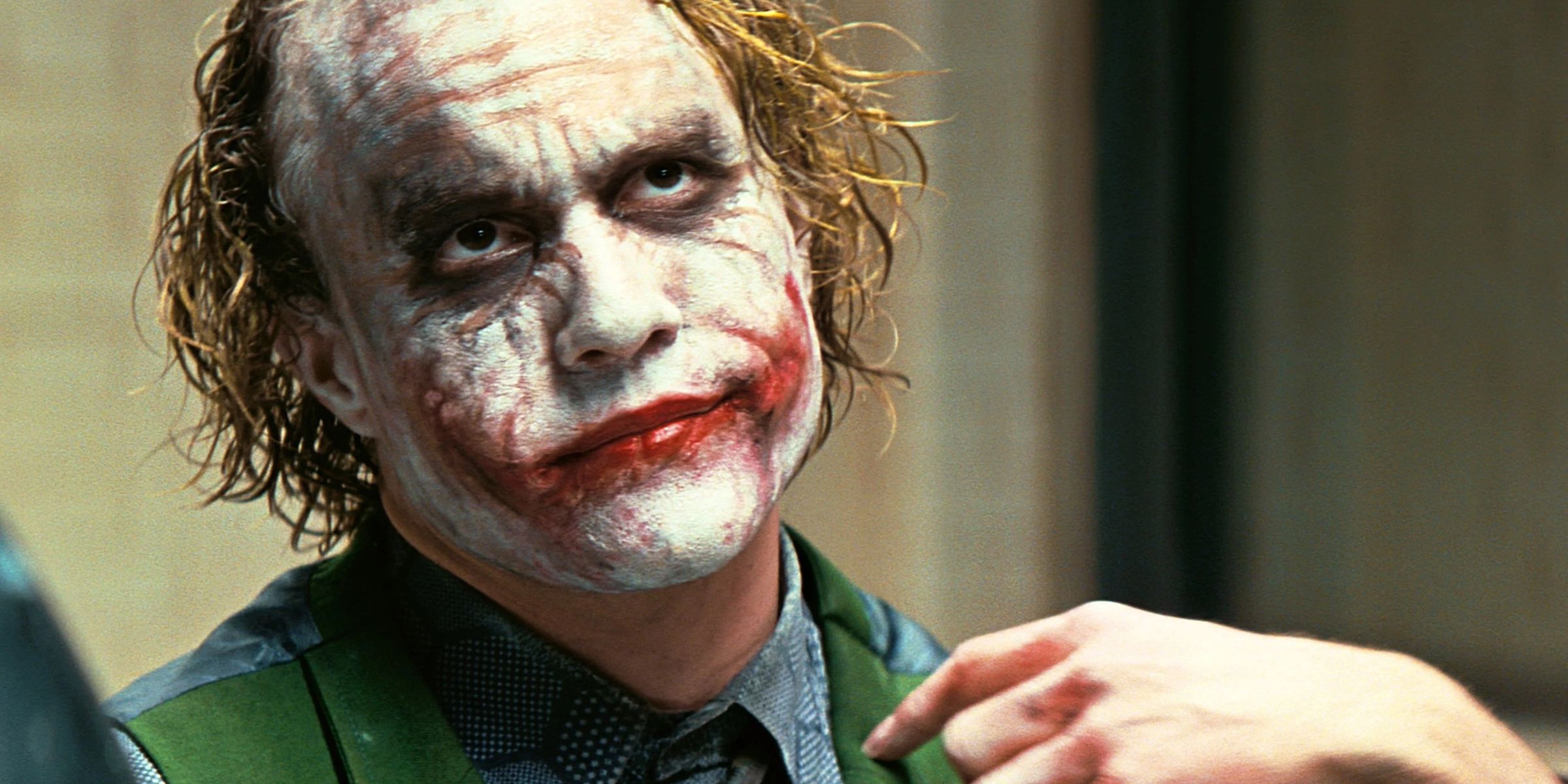
While a large portion of the conversation surrounding the strengths of The Dark Knight and its villains revolves around Heath Ledger’s iconic portrayal of the Joker, the climax of The Dark Knight most distinctly finds strength thanks to the film’s other major villain, Harvey Dent. Immediately after the already effective ferry experiment and the defeat of the Joker, Batman’s battle against Harvey Dent forces him to make the ultimate sacrifice and paint himself as a villain in order to preserve hope for Gotham City.
The Dark Knight’s climax, unlike many other superhero movie climaxes,** takes a more reserved approach and tackles the philosophical pain of the characters as its major driving force**, utilizing Nolan’s exceptional writing as the cornerstone for its stakes and emotional weight. It’s a distinctly different level of tension and stakes from the explosive action in previous segments of the film, taking full advantage of the greatest thriller attributes of this iconic superhero masterpiece.
One of the few animated thrillers that lives up to and in some ways even surpasses its live-action counterparts, the psychological torment and chaos that persists throughout the R-rated animated masterpiece Perfect Blue reaches its greatest heights during the climax. The climax sees Mima coming face-to-face with not just the personification of her impostor syndrome, but a killer who has been committing murders in the name of Mima’s past self as a pop star.
Utilizing striking animation and a tension-fueled sound to further amplify the stakes of this scene, Perfect Blue’s climax is where the symbolic and literal aspects of its storytelling converge into an exceptional, terrifying chase sequence. It acts as the perfect way to deliver upon all of the build-up and tension that has been simmering throughout the entire film, releasing in a wild, incredibly memorable sequence that still sticks with audiences long after it ends.
For a mystery thriller like Oldboy, a large portion of the intrigue and impact of its story comes from the payoff of its many mysteries that it sets up throughout the film. While the film continues to add to this overarching mystery and intrigue through some great action sequences, it’s the shocking string of reveals and backstory in the climax that continues to shock audiences to this day. The climax sees conniving villain Lee Woo-jin (Yoo Ji-tae) going into detail about the reasoning behind not only his imprisonment of Oh Dae-su (Choi Min-sik), but also how his plan of revenge has yet another, more harrowing twist.
After an entire film’s worth of battling for revenge and the pain of confusion as to why someone would commit such atrocities towards the protagonist, having them see a new level of pain and manipulation makes this twist all the more shocking and grueling to experience. It also acts as a thing of beautiful parallels, where this perceived story of revenge that we’ve been witnessing was, in itself, put into motion by another, even more intricate story of revenge.
An absolute icon of horror thrillers that is celebrated among the most important thriller films ever made, The Silence of the Lambs has a lot of great elements and moments that have made it a classic of the genre. However, the film’s exceptional climax, where Clarice (Jodie Foster) unknowingly enters the home of serial killer Buffalo Bill (Ted Levine) in a final battle of high tension, is what cemented the film as an all-time classic for many audiences.
This sequence of heightened stakes and terror perfectly delivers on not just all the tension and fear that has been built up towards Bill as a killer, but also all the development and growth that Clarice has been experiencing in this world of murder and deception. Seeing Clarice find success thanks to her own ingenuity and growth as an agent is exceptionally satisfying to watch, especially when the scene itself finds a perfect balance of bone-chilling terror and electrifying, heart-pounding excitement.
Parasite has been widely considered to be not just one of the all-time great thriller masterpieces of the 21st century, but one of the overall greatest films to be released in the past 10 years. The film’s shocking, high-tension climax played a major role in the film’s success, going away with the more comedic and silly tone of the film’s initial acts and going all in on high-stakes pain with its shocking reveals and sequence of events. It’s where the film’s distinct themes and class divide messaging reach all-time highs, reaching a breaking point for the characters.
Between all the shocking stabbings and blood being spilled during the garden party, the film hammers home the anger that brews not just from impoverished positions, but also how quickly the high class is willing to abandon and disregard those they deem below them. It’s a painful yet beautiful climax that strikes at the heart of the film’s central themes and leaves the audience in a pit of sadness and shock.
Whiplash is a thriller that defines itself through its ability to stress out the audience with its shocking and painful depictions of not only abuse in an academic setting, but also how self-dedication can purposefully blind one to the abuse that they are receiving. With all the painful things that Andrew (Miles Teller) experiences in the film, this glorious climax runs through a full wave of emotions, from pain and betrayal to glorious payback despite subliminal pain that makes it an all-time film finale.
The climax revolves around Andrew getting an unexpected chance to play under Fletcher (J.K. Simmons) as a composer once again. However, it soon becomes apparent that Fletcher has been setting Andrew up for failure the entire time, allowing him to completely flounder on the biggest stage imaginable. In an act of sheer determination and spite, Andrew finds the wherewithal to return to the stage and go all out, proving to Fletcher, the audience, and himself that his grueling work ethic was all worth it for a masterful drum performance.
While a great climax can be the difference maker between a good and great thriller, even more rare is a climax so perfect in its execution that it almost single-handedly gives a film a legacy as one of the greatest thrillers of a generation. One of the only climaxes to achieve such sustained legacy and impact is from Se7en, with the overwhelming strength and payoff of this finale transforming this film into David Fincher’s magnum opus masterpiece of the thriller genre.
While there were certainly great elements and strengths inherent to Se7en long before the climax begins, there is a reason that so much of the conversation and legacy of the film revolves around this tight-knit standoff at gunpoint in the film’s finale. The mixture of shocking reveals, emotionally distraught performances, and all the payoff that the film has been building towards makes it one of the bleakest yet most satisfying climaxes a thriller could ask for. The climax almost has a legacy as large as the film itself, as everyday people will still quote “what’s in the box!” to each other without even knowing what film or climax they are quoting.
Your instincts, your strengths, and your particular way of thinking under pressure point to one villain you actually have a fighting chance against. Everyone else — good luck.
Jason is relentless, but he is also predictable — and that is the gap you would exploit.
Michael watches before he moves. He is patient, methodical, and almost impossible to detect — until it’s too late for anyone who isn’t paying close enough attention.
Freddy wins by getting inside your head — using your own fears, your own memories, your own subconscious as weapons against you. That strategy requires a target who can be destabilised.
Pennywise is ancient, shapeshifting, and feeds on terror — but it has one critical vulnerability: it cannot function against someone who genuinely stops being afraid of it.
Chucky’s greatest advantage is that nobody takes him seriously until it’s already too late. He exploits the gap between how something looks and what it actually is.
](/tag/thriller/)
Andrew Kevin Walker