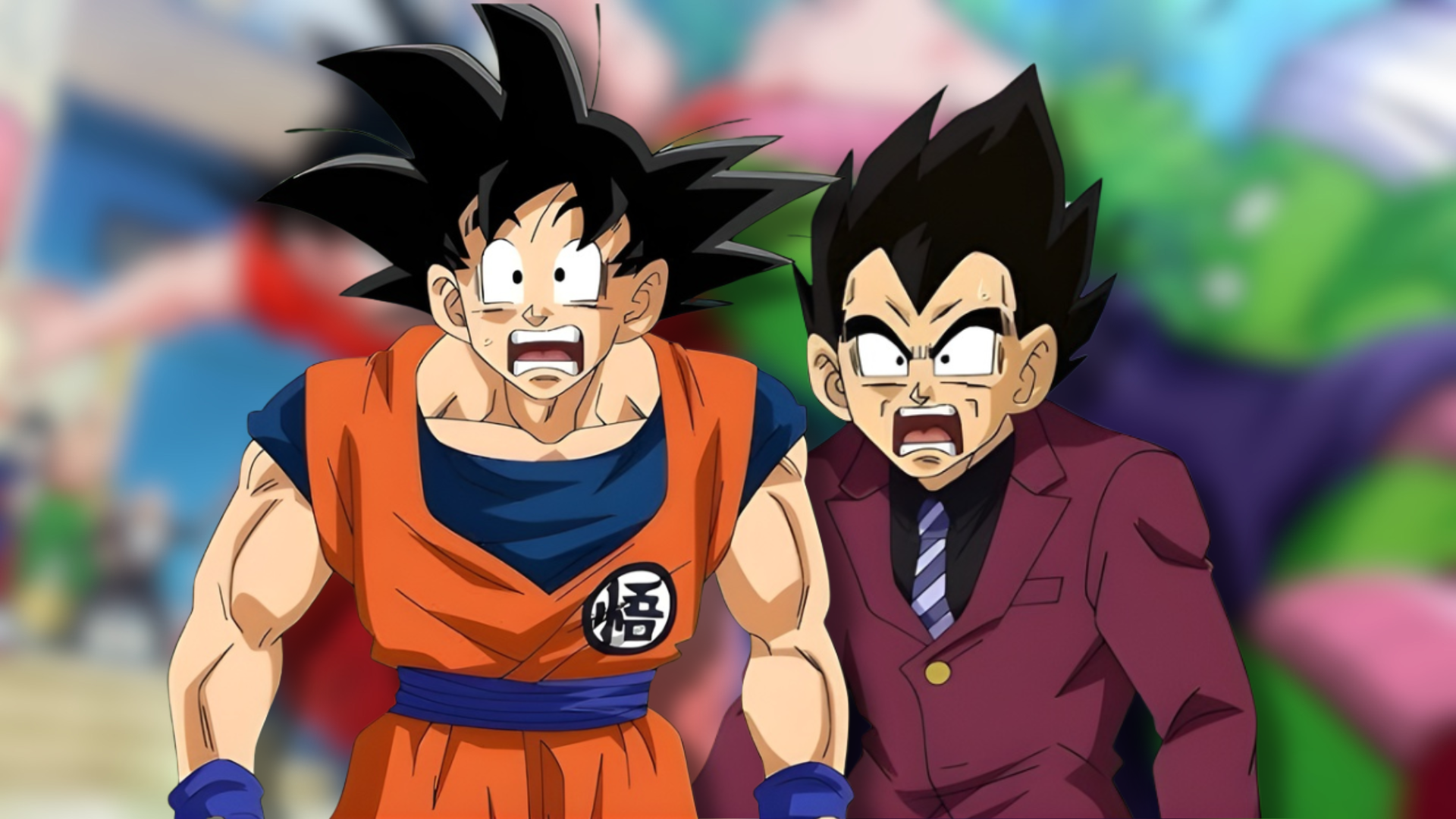
For over four decades and counting, Dragon Ball has entertained and inspired generations of fans around the world. Since Goku’s humble 1984 debut in the pages of Weekly Shōnen Jump, the franchise has spawned countless manga and anime series and spin-offs, video games, collaborations, and more merchandise than the biggest fan could ever get their hands on. Dragon Ball has become an entertainment titan, and that isn’t likely to change anytime soon.
The passing of series creator Akira Toriyama made the future of the franchise somewhat uncertain, though after a relatively brief period of inactivity, the next era of Dragon Ball was revealed at a special 40th anniversary event in Tokyo earlier this year. As long as Dragon Ball remains profitable, and it very much is profitable, Goku and company won’t be going anywhere.
As part of the series’ 40th anniversary celebration, a new box set of Akira Toriyama’s original manga, featuring alternate covers drawn by some of the most successful and influential manga artists ever, was announced. As of now, it won’t be released in English, or any other language than its original Japanese, for that matter. Dragon Ball has an incredibly loyal global fan base, yet its international releases, especially those in North America, have been notoriously subpar quality, and that needs to change as the series enters its new era.
Localization has become a divisive topic throughout the global anime and manga community in recent years. Unfortunately, there just isn’t a way to perfectly translate works written in Japanese into English, and those tasked with doing so are often treated harshly by fans who wish to experience their favorite titles exactly how their creators intended. That being said, the official English manga releases of Dragon Ball by Viz Media simply aren’t good enough for a number of reasons, beyond and including translations.
Across the various English printings of Akira Toriyama’s Dragon Ball, of which there have been a few, translations are wonky. Character names differ from their official spellings, like Vegito inexplicably being called Vegerot. Piccolo speaks in a strange dialect throughout the majority of the series, reading like a character from an 18th century English novel. And there are a number of instances in which Vegeta’s dialogue is misleadingly harsh during moments meant to accentuate his character growth.
The quality of the artwork is also hit or miss across different English physical releases, with panels or entire pages being cropped or faded. On the Manga Plus and Shōnen Jump apps, commonly used by manga fans in the West, the scans are terribly low quality, especially early on in the series. Some colored pages have been transferred in black and white, making certain illustrations a smudgy, near incomprehensible mess. On top of it all, there are varying degrees of censorship across all English versions of Dragon Ball.
It isn’t an ideal way to release one of the most important manga series in history, drawn by a legend in the industry. And with no word on an English release of the new 40th anniversary box set, it appears there won’t be a definitive way to experience the Dragon Ball manga in English for some time.
Unfortunately, poor home releases aren’t unique to Dragon Ball’s manga. Its anime adaptations, which are the most popular method for enjoying Dragon Ball around the world, haven’t been preserved very well. Color and sound degradation have become serious issues over the years, while absurd cropping to fit different aspect ratios has plagued a number of different official home releases. In recent years, fan groups have taken it upon themselves to restore Dragon Ball and Dragon Ball Z to their former glory.
Despite it being one of the most successful franchises in anime and manga history, backed by legions of hardcore and dedicated fans, it’s incredibly difficult for fans to enjoy Dragon Ball as it was intended to be seen and read. And that needs to change as the series enters its new era later this year, starting with the airing of Dragon Ball Super: Beerus.
](/tag/dragon-ball/)
First TV Show
Dragon Ball: Curse of the Blood Rubies
Latest Film
Dragon Ball Super: Super Hero
Latest TV Show
Super Dragon Ball Heroes
First Episode Air Date
From the creative mind of Akira Toriyama, Dragon Ball is a mega multimedia franchise that spans back to the 1980s. Dragon Ball expanded quickly, starting as a serialized manga for Weekly Shonen Jump in Japan. It made its way overseas via manga and an anime adaptation that is enjoyed worldwide. Dragon Ball was the initial starting animated series that followed the adventures of the young Son Goku as he sought after the Dragon Balls. These mystical orbs would grant the wish of any who gathered them together. Then, the series would branch off into the immensely popular Dragon Ball Z, which followed Goku as an adult and featured high-intensity battles and Goku’s never-ending search to be the strongest. The series has also enjoyed several popular video game adaptations and continues to release several new animated series and theatrical films up to the recent popular Dragon Ball Super: Super Hero.