Some of the best** *medical TV comedies were never admitted into the sitcom canon, and there are surprisingly few true medical sitcoms. While Grey’s Anatomy dominates the medical drama space, Scrubs arguably stands as the most influential and beloved medical comedy. Scrubs was a spiritual successor to MASH, which was arguably bigger, culturally and critically, but it was a dramedy before the term was ever used.
Then there are shows like Doogie Howser, M.D., and its novel premise made it stand out. Still, it emphasized how few medical workplace sitcoms there truly were, perhaps because it’s harder to balance comedy with medicine’s inherent topical gravity. From the “gentle doctor” era of the ’60s and ’70s to a brilliant NBC sitcom about to start its third season, this list explores incredible medical sitcoms that didn’t catch on due to tonal confusion, niche premises, or simply because they arrived ahead of their time. For fans of comedy and medicine, these 10 shows are just what the doctor ordered.
Childrens Hospital is one of the sharpest medical TV spoofs ever made, turning the melodrama of hospital shows into pure surreal, absurdist chaos. Created by and starring Rob Corddry, the Adult Swim comedy follows the eccentric staff of a children’s hospital named after Dr. Arthur Childrens.
Across fast-paced 11-minute episodes, the series hilariously skewers everything from Robin Williams’ Patch Adams to Scrubs, Grey’s Anatomy, ER, and House. Corddry leads an ensemble that includes Lake Bell, Ken Marino, Megan Mullally, and Rob Huebel. While the show became beloved among alt-comedy fans, it never fully broke into the mainstream despite being a surgical satire of medical television.
The Practice centered on a father-son conflict between two very different doctors. Danny Thomas played a crusty but compassionate old-school physician who believed medicine was about helping people regardless of profit; his son, played by David Spielberg, ran a more upscale Park Avenue practice with a sharper eye on financial success.
The sitcom was reasonably well received during its original NBC run, with critics praising Thomas’ warm, mature performance and the show’s professional, humane tone. However, compared with sharper and more socially aggressive 1970s sitcoms, it was often viewed as somewhat old-fashioned. The series lasted two seasons with respectable ratings, but never became a cultural phenomenon. Today, The Practice is not part of the cultural conversation at all, though fans of Doc Martin would likely appreciate its gentle bedside humor and character-driven warmth.
Doctor Doctor starred Matt Frewer as Dr. Mike Stratford, a general practitioner, novelist, and fan of the best TV doctors whose idealism constantly clashes with the business realities of medicine. Devoted to his patients, Mike frequently offers treatment for free, trying to live up to the compassionate example of Marcus Welby, M.D., while frustrating the partners at his upscale practice.
Critics responded positively when the sitcom premiered, especially praising Frewer’s frantic, neurotic comedic energy, which gave the series a sharper and more offbeat tone than most medical shows of the era. The CBS sitcom lasted two seasons but never became a breakout success. Today, it is largely forgotten, but it’s noteworthy for its edgy humor and use of improvisation.
Doc was built around Barnard Hughes as Dr. Joe Bogert, an elderly, kindhearted general practitioner balancing the chaos of his patients with the even greater chaos of his family life. In its first season, the show performed modestly well, helped in part by a strong Saturday night timeslot between major hits that changed TV, including The Mary Tyler Moore Show and The Jeffersons.
Despite this, CBS expected a stronger performance and pushed for a significant retooling. When the series returned in fall 1976, the concept had shifted dramatically: Dr. Bogert was now a widower working in a struggling urban clinic, and the family-centered sitcom structure was largely removed. The creative overhaul disrupted the show’s identity, and ratings quickly declined. It was canceled in October 1976 after only a handful of additional episodes aired. Today, it’s mostly unknown even to enthusiasts of early television comedy.
A.E.S. Hudson Street followed the overworked staff of a rundown Ambulance Emergency Service hospital on Manhattan’s Lower West Side. Produced by veterans behind Barney Miller and The Munsters, the series mixed workplace comedy with urban realism and character drama in a way that felt ahead of its time.
The title referred to “Accident Emergency Service,” essentially an early emergency room department. Rather than glamorous doctors or soap-opera romance, the show focused on the exhausting unpredictability of emergency medicine and the chaotic personalities working within it. Critics praised Gregory Sierra and the authentic New York atmosphere, but audiences struggled with its unusual dramedy tone. ABC canceled the series after just five episodes. A 1991 remake, Stat, lasted only six episodes, and today the original series is almost completely forgotten.
Temperatures Rising initially starred James Whitmore as a no-nonsense chief of staff of a fictional Washington, D.C. hospital trying to maintain order amid escalating chaos. He was surrounded by a young intern played by Cleavon Little, along with a trio of nurses, creating a classic workplace clash structure between authority and misbehavior. The series became infamous for its behind-the-scenes instability, with ABC repeatedly retooling the show, including replacing most of the cast in season two before later reversing course.
That constant shifting undercut any chance for tonal consistency, even as the show leaned into sharper satire of hospital bureaucracy, malpractice fears, and institutional dysfunction. It was also notable for featuring Cleavon Little years before Mel Brooks’ brilliant western satire Blazing Saddles, making it a rare early network sitcom with a Black co-lead in a prominent comedic role. Low ratings led to its quiet disappearance, and Temperatures Rising is barely remembered today.
Sirens followed Chicago EMTs working for the fictional private ambulance company, Eminent, and the bizarre, often crude situations they encountered on emergency calls. Adapted from the British series of the same name, the show brought a fresh perspective to the medical sitcom genre by focusing on first responders rather than doctors or hospital staff. Its fast-paced workplace banter and chaotic friendships gave it an energy similar to Brooklyn Nine-Nine, but with a rougher, more blue-collar edge.
Sirens’ brilliance was in its ability to balance outrageous comedy with the emotional exhaustion that comes with emergency medical work. The characters often joked through traumatic situations, creating a style of gallows humor that felt surprisingly authentic. Although it never became a major hit during USA Network’s crowded workplace-comedy era, the series has aged well and feels primed for rediscovery by modern sitcom fans as one of the best forgotten workplace sitcoms.
House Calls followed British-born Ann Anderson (Lynn Redgrave), a hospital administrator constantly trying to manage three unruly doctors whose clashes created much of the show’s comedy. In many ways, it played like a comedic prototype for House if the story had been told from Cuddy’s perspective, with hospital politics and workplace dysfunction driving the humor. The series stood out as a smart, adult-oriented workplace comedy anchored by the sharp chemistry between Redgrave and Wayne Rogers.
Rather than focusing entirely on medical cases, the sitcom leaned heavily into administrative headaches, romantic tension, and personality conflicts inside the hospital. Despite solid ratings and critical praise, the show unraveled after Redgrave left during a contract dispute in season 3. Without its central dynamic,* the show quickly lost momentum and faded from television history, eventually becoming overshadowed by MASH, which Wayne Rogers left to star in House Calls.
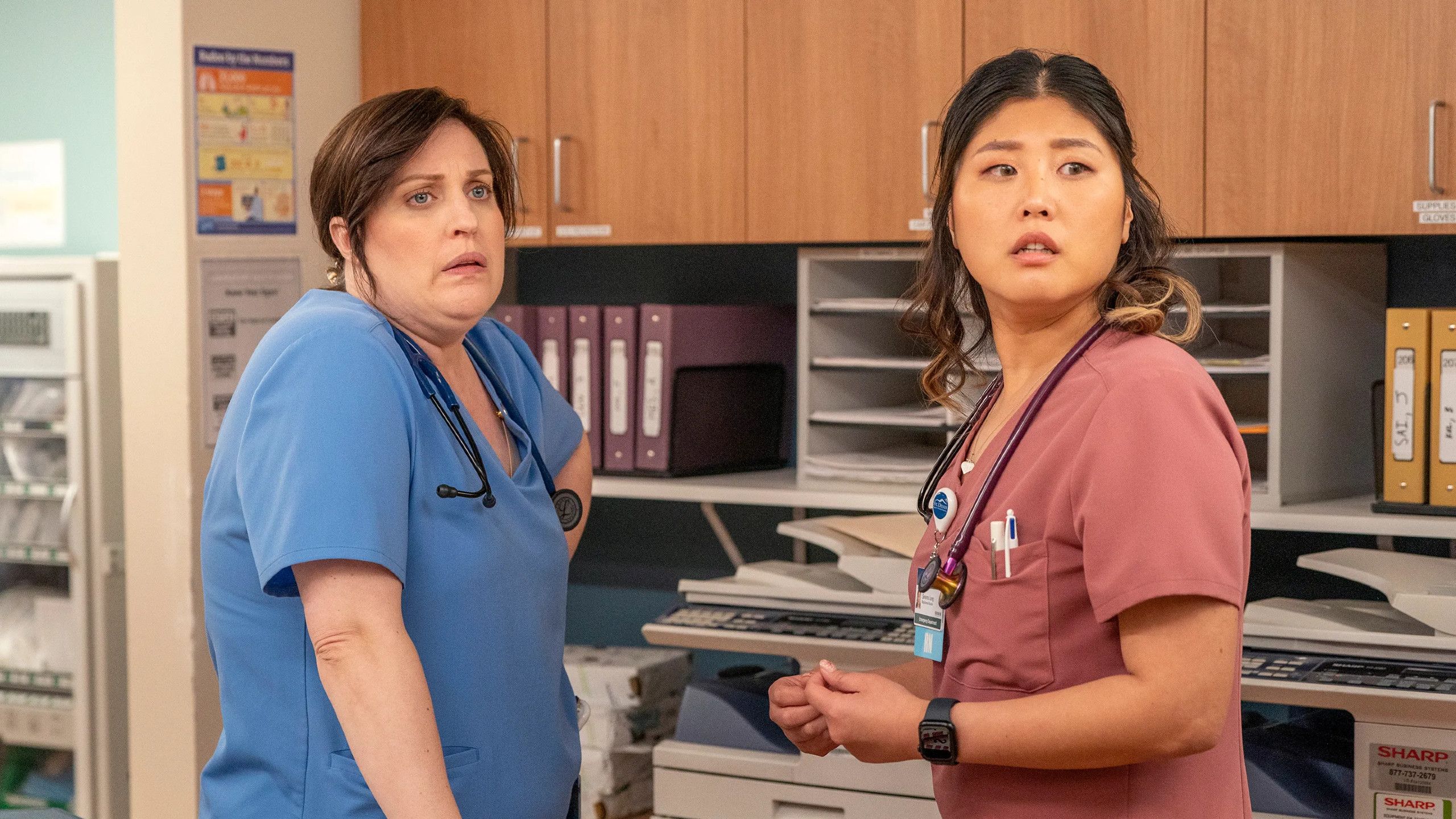
St. Denis Medical has quietly become one of TV’s sharpest modern workplace comedies, even if it has flown somewhat under the radar compared to bigger sitcom hits. Set inside an underfunded Oregon hospital, the mockumentary series follows an overworked staff of doctors, nurses, and administrators struggling to keep the facility functioning amid bureaucratic chaos and unpredictable patients.
St. Denis naturally balances absurd comedy with the emotional realities of healthcare work. Like the best workplace sitcoms, the humor comes from personality clashes, burnout, and institutional dysfunction, but it also has incredible physical humor and sight gags. The ensemble cast is packed with recognizable comedic performers who make even the hospital’s most cynical personalities feel empathetic and human. The show also feels distinctly modern, tackling issues like staffing shortages and healthcare inefficiency without losing its warmth. That grounded perspective gives St. Denis Medical a sharper edge than many recent medical comedies.
Nurses was one of the spin-offs of* The Golden Girls*. Set in the same Miami hospital where their neighbor, Dr. Harry Weston, worked, the sitcom followed a group of overworked nurses balancing exhausting shifts, difficult patients, workplace politics, and messy personal lives.
Like The Golden Girls, the series thrived on fast banter, personality clashes, and emotionally grounded humor, but transplanted that rhythm into a hectic hospital environment. Critics praised its sharp ensemble writing and authentic workplace feel, and the NBC comedy lasted three seasons. Today, however, it is largely forgotten despite being one of television’s strongest traditional medical workplace sitcoms.