Andrea M. Ciriaco is a long-time script reader and former entertainment editor who specializes in classic movies and Hollywood history. She was a student film critic at Kent State University for three years and worked at Warner Bros Studio in Burbank and The Safran Company for several years. Based on her vast taste and range of knowledge, many consider Andrea to be a walking IMDb who knows dozens of underrated movies and is a vital assesst to any trivia night. While movies are her expertise, Andrea is also a diehard fan of iconic shows including The Sopranos, Boardwalk Empire, Rod Serling’s The Twilight Zone, Will & Grace and South Park. Some of her favorite filmmakers are Walt Disney,John Huston, Fritz Lang, Alfred Hitchcock, John Ford, Mel Brooks, Quentin Tarantino, Martin Scorsese and Howard Hawks.
Sign in to your Collider account
The crime genre was originally popularized by classic gangster movies and slow-burning noir films such as Howard Hawks’ Scarface, The Maltese Falcon, and White Heat, and has continued to thrive with generations of film fans, making it one of the most timeless genres of all time. Over the years, the genre has moved beyond traditional tales of organized crime and police procedurals and undergone a remarkable evolution of blending gripping suspense with complex characters, moral ambiguity, and unforgettable storytelling.
Denis Villeneuve’s Oscar-nominated movie Prisoners is a gripping mystery starring Hugh Jackman as a desperate Pennsylvania father, Keller Dover, who decides to take the investigation into his daughter and her friend’s sudden disappearance into his own hands after the lead detective (Jake Gyllenhaal) releases the only suspect in the case (Paul Dano). One thing that sets Prisoners apart from the crowd is that it doesn’t give audiences easy answers and instead challenges them to reflect on the nature of justice and human morality, making **it far more than a conventional crime thriller. **
Jackman delivers one of the strongest performances of his career as Dover, whose search for his missing daughter blurs the line between hero and villain, while Jake Gyllenhaal’s performance as Detective Loki provides a measured and determined counterbalance, creating an alluring dynamic between the characters that ultimately forces viewers to confront the consequences of revenge and vigilantism. Prisoners remains a benchmark for modern crime cinema and its lasting thematic impact has earned it widespread acclaim, cementing its reputation as one of the greatest crime movies released since 2000.
Over the years, the notorious case of the Zodiac Killer, who terrorized the San Francisco Bay Area during the late 1960s, has inspired countless movies and shows, but David Fincher’s 2007 film, Zodiac, chronicles the decades-long investigation, focusing less on sensational violence and more on the obsession, frustration, and the personal sacrifices experienced by those who were determined to solve the case. The movie features an ensemble cast of stars including Robert Downey Jr., Mark Ruffalo, and Jake Gyllenhaal, and continues to be praised for its realism, intelligent screenplay, and masterful craftsmanship.
Fincher’s precise direction, meticulous attention to detail, and restrained visual style immerse viewers in the era while highlighting the psychological impact of the unsolved mystery, which continues to fascinate people around the world today. Despite the lack of a resolution, Fincher does leave audiences with just enough to feel some satisfaction, demonstrating that the most haunting crimes are not always those with the most violence, but those that leave lasting questions behind. By emphasizing the human cost of obsession and the enduring mystery at its core, Zodiac has become **a defining achievement in modern crime cinema **and remains one of the best murder-mystery movies of the 21st century.
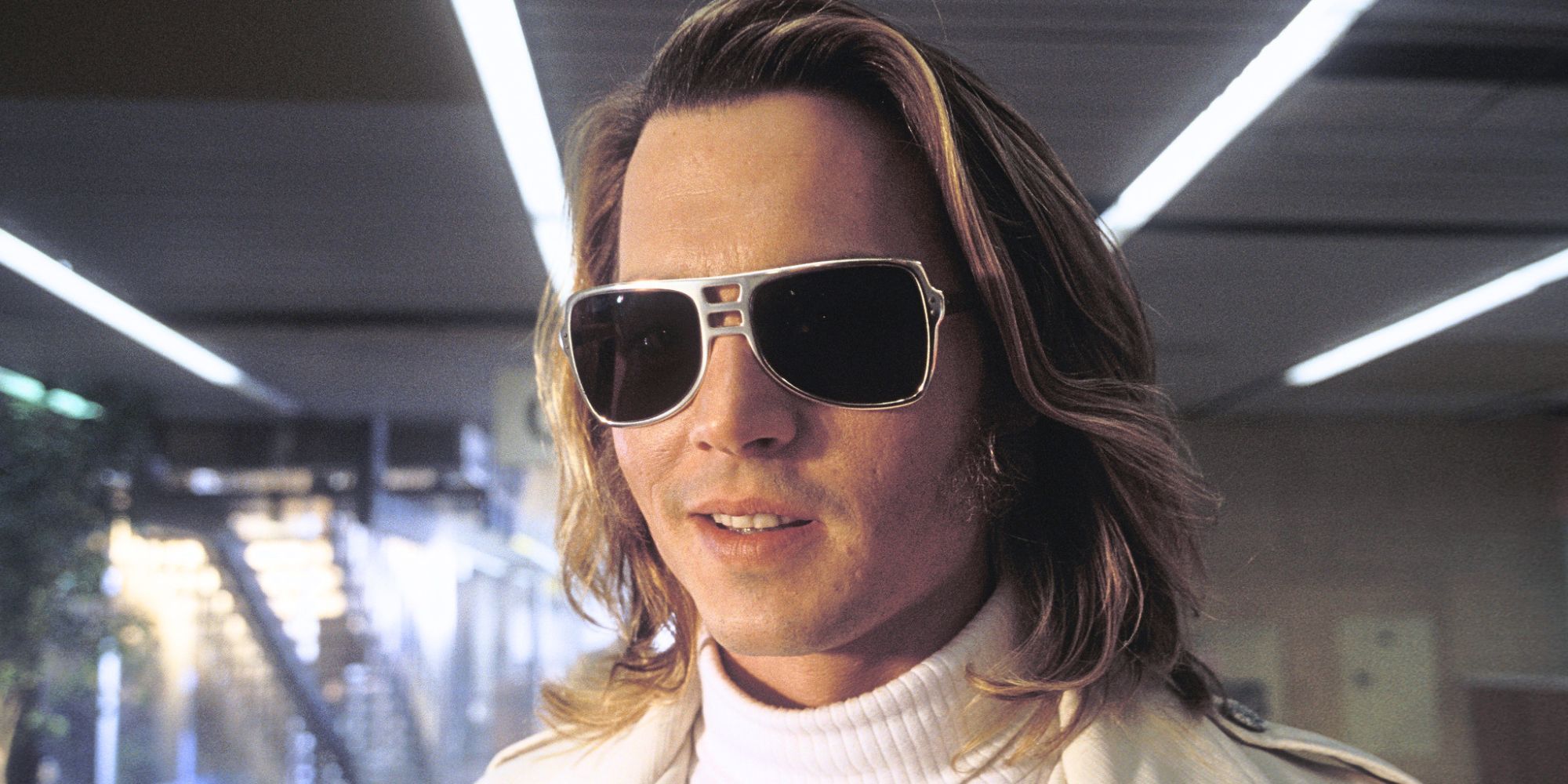
Johnny Depp stars as a real-life drug trafficker, George Jung, in Ted Demme’s iconic crime drama, Blow, which follows Jung’s journey from a small-time marijuana smuggler to becoming one of the key figures in the cocaine trade of the 1970s and 1980s. Rather than glorifying the criminal lifestyle, Blow presents a cautionary tale about ambition, greed, and the personal cost of pursuing wealth at any price, setting it apart from other modern crime movies.
Depp delivers one of his most memorable and legendary performances as Jung, bringing charisma, vulnerability, and emotional depth to a character whose ambition far exceeded his talent. What makes Blow such an enduring crime movie is its combination of engaging storytelling (notably Depp’s off-camera narration), strong performances, and emotional resonance. Its exploration of the American dream gone wrong, paired with its stylish direction and memorable soundtrack, elevates it beyond other similar films of its time and ultimately cements its status as one of the most memorable entries in the crime genre since 2000.
Your answers have pointed to one Oscar Best Picture winner above all others. This is the film that was made for the way your mind works.
You are drawn to films that operate on multiple levels simultaneously — that begin in one genre and quietly, brilliantly migrate into another. Bong Joon-ho’s Parasite is a film about class, desire, and the architecture of inequality that manages to be darkly funny, deeply suspenseful, and genuinely shocking across a single extraordinary running time. Your instinct is for cinema that hides its true intentions until the moment it’s ready to reveal them. Parasite is exactly that — a film that rewards close attention and punishes assumptions, right up to its devastating final image.
You want it all — and this film gives you all of it. The Daniels’ Everything Everywhere All at Once is one of the most maximalist films ever made: action comedy, multiverse sci-fi, family drama, existential crisis, and a genuinely earned emotional core that sneaks up on you amid the chaos. You are someone who responds to ambition, who doesn’t want cinema to choose between being entertaining and being meaningful. This film refuses that choice entirely. It is overwhelming by design, and its overwhelming nature is precisely the point — because the feeling of being crushed by infinite possibility is exactly what it’s about.
You are drawn to cinema on a grand scale — films that understand history not as a backdrop but as a force, and that place their characters inside that force and watch what happens. Christopher Nolan’s Oppenheimer is a film about the terrifying gap between what we can do and what we should do, told with the full weight of one of the most consequential moments in human history behind it. You want your films to feel important without feeling self-important — to earn their ambition through sheer craft and the gravity of their subject. Oppenheimer does exactly that. It is enormous, complicated, and refuses easy comfort.
You are drawn to films that foreground their own construction — that make the how of the filmmaking part of the what it’s about. Alejandro González Iñárritu’s Birdman, shot to appear as a single continuous take, is cinema examining itself through the cracked mirror of a fading actor’s ego. You respond to formal daring, to the feeling that a film is doing something that probably shouldn’t be possible. Michael Keaton’s performance and Emmanuel Lubezki’s restless camera create something genuinely unlike anything else — a film that is simultaneously about creativity, relevance, self-destruction, and the impossibility of ever truly knowing if your work means anything at all.
You are drawn to cinema that trusts silence, that refuses to explain itself, and that treats dread as a form of meaning. The Coen Brothers’ No Country for Old Men is a film about the arrival of a new kind of evil — implacable, arbitrary, and utterly indifferent to the moral frameworks we use to make sense of the world. It is one of the most formally controlled films ever made, and its controlled restraint is what makes it so terrifying. You want your films to haunt you, not comfort you. You are not interested in resolution if resolution would be dishonest. No Country for Old Men is honest in a way that most cinema never dares to be.
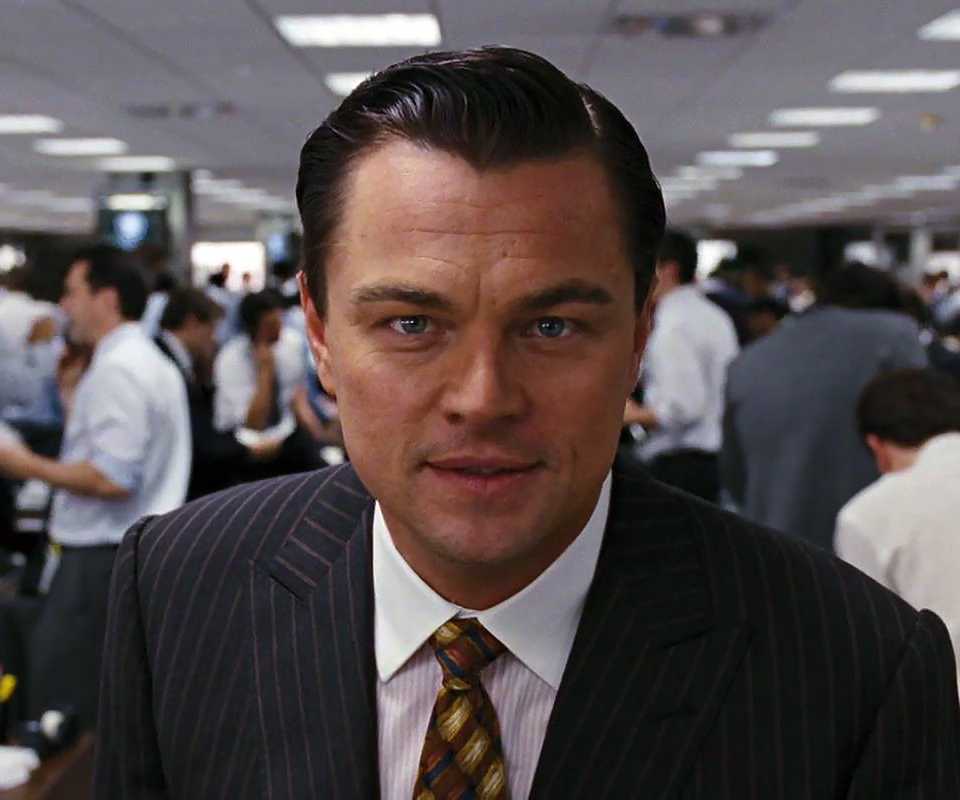
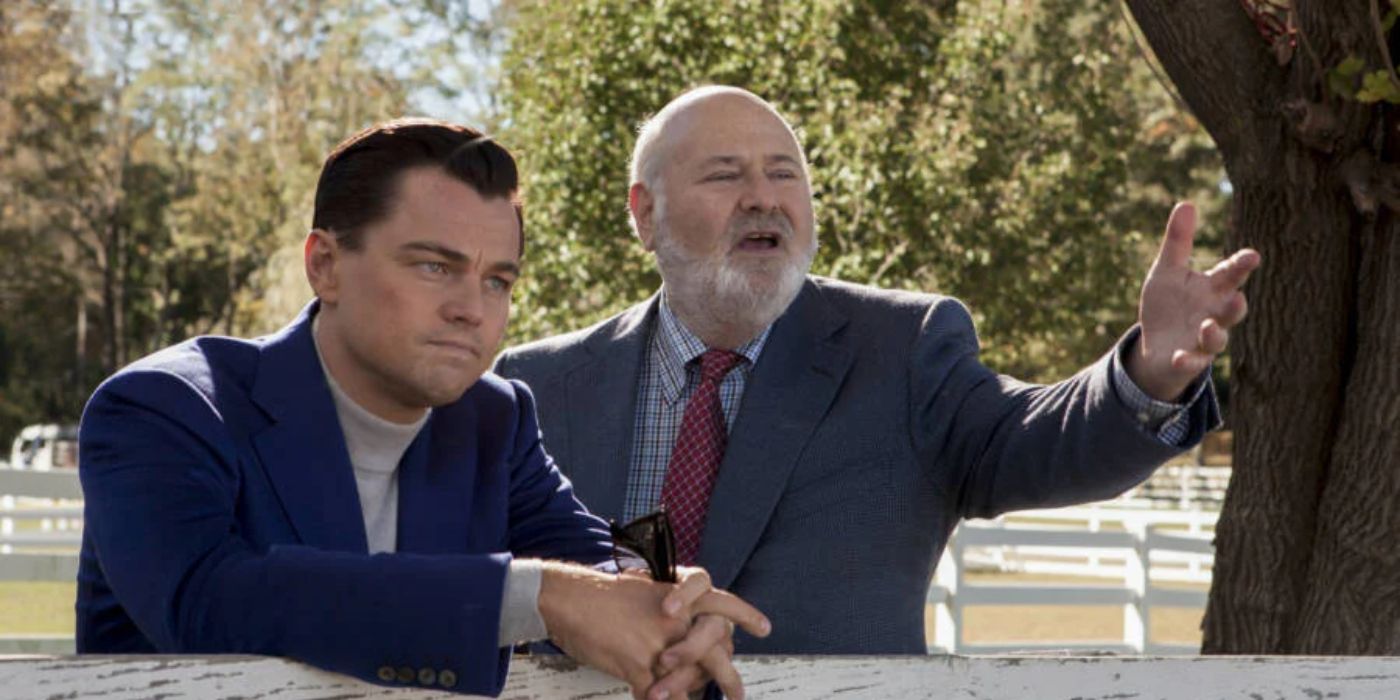
Martin Scorsese’s Oscar-nominated hit** The Wolf of Wall Street**** **steps away from the director’s usual tales of gangsters and organized crime and instead exposes the white-collar world where deception and manipulation can be just as lucrative and destructive. Based on the 2007 memoir of the same name written by Jordan Belfort, Leonardo DiCaprio stars in the wild crime comedy as Belfort, who rises from a short-lived entry-level job to owning one of the most successful firms on Wall Street. As Belfort basks in his immense success and growing notoriety, everything begins to crumble after he foolishly catches the attention of an upstanding FBI agent (Kyle Chandler).
Scorsese’s dynamic direction, fast-paced storytelling, and fearless examination of human greed and corruption is essentially why The Wolf of Wall Street earns a place on the list. DiCaprio gives one of the defining performances of his career, effortlessly capturing his character’s charisma, ambition, and self-destructive excess with remarkable energy, and is considered to be one of the actor’s finest films to date. Compared to other crime movies, The Wold of Wall Street is full of sidesplitting comedy, but the majority of the outrageous humor is balanced out by sharp social commentary and unexpected drama, ultimately grounding the overall story without sacrificing the comical authenticity.
Ethan Hawke stars in Antoine Fuqua’s Oscar-winning crime drama, Training Day, as a rookie LAPD officer, Jake Hoyt, whose first day working in the narcotics unit with a veteran detective, Alfonso Harris (Denzel Washington) starts as a routine evaluation but quickly evolves into a tense battle of psychological warfare, forcing Hoyt to question his values and survival instincts. The film’s intense pacing, sharp performances, and unflinching examination of the blurred line between justice and corruption is essentially why many people regard Training Day as one of the greatest crime movies of the 21st century.
Fuqua’s gritty direction and authentic depiction of Los Angeles add to the film’s realism, while its memorable dialogue and suspenseful storytelling have made it a lasting cultural touchstone. The film is anchored by Washington’s well-deserved Academy Award-winning performance as Harris, who is easily one of the most unforgettable villains in modern cinema. His commanding presence, unpredictability, and moral complexity are perfectly contrasted by Hawke, whose portrayal of an idealistic young officer struggling to uphold his principles in a corrupt environment creates constant tension between the characters and drives the film’s compelling narrative.
The Coen Brothers’ Academy Award-winning crime thriller No Country for Old Men, is an intense game of cat and mouse that continues to be praised to this very day for its masterful storytelling, philosophical depth, and compelling characters. Josh Brolin stars as a Texan, Llewelyn Moss, who, while out hunting, comes across what appears to be a drug deal gone bad and eventually discovers a suitcase full of money. As Moss quickly skips town with the loot, he soon realizes that he’s being pursued by a ruthless killer, Anton Chigurh (Javier Bardem), who has been hired to retrieve the money at any and all cost.
What sets No Country for Old Men apart from other crime movies released since 2000 is its minimalist style, haunting atmosphere, and refusal to follow traditional crime movie conventions. The Coen Brothers’ use of sparse dialogue, natural sound (no soundtrack), and unpredictable storytelling create a film that lingers long after it ends. While the entire cast give powerhouse performances, Bardem delivers one of the most iconic villain performances in cinema history as Chigurh, whose cold, methodical nature makes him both terrifying and unforgettable. No Country for Old Men earned eight Academy Award nominations and went on to win four Oscars, notably for Best Picture, Best Director, and Best Supporting Actor for Bardem.
No Country for Old Men
](/tag/no-country-for-old-men/)